
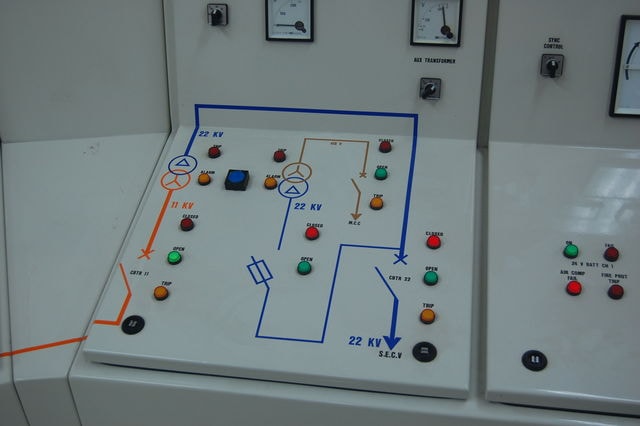
How Can High Voltage Electrical Upgrades Reduce Industrial Downtime?
High voltage electrical upgrades can reduce industrial downtime by improving equipment reliability, replacing ageing components, identifying potential faults and helping prevent unexpected power interruptions. For manufacturing plants, processing facilities and other industrial sites, a reliable electrical supply is essential for maintaining productivity, protecting equipment and meeting production schedules.
A planned upgrade can also help businesses address increasing power demands and improve the performance of their electrical infrastructure. The key is to assess the existing system, identify operational risks and schedule work around the facility's requirements.
Why Do Industrial Facilities Experience High Voltage Electrical Problems?
Industrial electrical systems operate under demanding conditions. Ageing switchgear, deteriorating cable insulation, overloaded equipment and inadequate maintenance can increase the risk of electrical faults and unplanned shutdowns.
Unexpected power interruptions may stop production lines, delay deliveries, disrupt automated processes and require costly repairs. In some facilities, a single electrical fault can affect several connected systems.
Regular inspections and condition assessments help identify potential problems before they develop into major failures. When existing equipment can no longer meet operational or reliability requirements, a planned high voltage electrical upgrade may be appropriate.
How Can High Voltage Upgrades Prevent Unexpected Shutdowns?
Upgrades can improve reliability by addressing weaknesses in the electrical infrastructure before they cause operational disruption.
Key benefits include:
- Replacing ageing equipment: Upgrading unsuitable or deteriorating components can reduce the risk of equipment-related failures.
- Improving system capacity: Appropriate upgrades can help accommodate additional machinery or changing production demands.
- Addressing cable deterioration: Assessing and replacing defective cables and terminations can reduce the risk of electrical faults.
- Improving protection systems: Reviewing protection settings and equipment coordination can help ensure faults are detected and isolated appropriately.
- Supporting planned maintenance: Modernisation can make it easier to establish inspection and maintenance procedures suited to the facility.
The right solution depends on the site's electrical design, equipment condition, load requirements and operating environment. An engineering assessment should determine which upgrades are necessary rather than replacing equipment without a clear technical reason.

Can High Voltage Upgrades Be Completed Without Stopping Production?
Some preparation and assessment activities may be completed while a facility remains operational. However, work involving high voltage equipment often requires planned outages, isolation and other strict safety controls.
Businesses can reduce disruption by coordinating the project with production schedules, arranging equipment and materials in advance, confirming outage requirements and preparing a detailed commissioning plan.
Where technically feasible, upgrades may be divided into stages so that work can be coordinated with existing maintenance windows. Any staged approach must be reviewed by qualified electrical professionals to ensure the system can operate safely throughout the process.
A realistic project schedule should account for testing, commissioning, required approvals and contingency time. Rushing critical electrical work to restore production sooner can introduce unacceptable safety and reliability risks.
What Should Businesses Upgrade First?
The priority should be determined by risk, equipment condition and the consequences of failure. A high voltage system assessment can help facility managers understand which components require immediate attention and which improvements can be scheduled for later.
Common areas to review include high voltage switchgear, power cables, terminations, protection equipment and associated electrical infrastructure. The assessment should also consider current and future load requirements, equipment availability and the impact of a possible outage.
Prioritising high-risk components helps businesses direct their budgets towards improvements that offer the greatest operational benefit.
How Do You Measure the Return on an Electrical Upgrade?
The value of an upgrade extends beyond the purchase price of new equipment. Businesses should consider the potential cost of unplanned downtime, emergency repairs, lost production, equipment damage and delayed orders.
Compare these risks with the proposed project cost, expected service life, maintenance requirements and anticipated reliability improvements. Although no upgrade can eliminate every failure, a well-planned project can help reduce avoidable interruptions and make maintenance more predictable.
How Can You Choose the Right High Voltage Installation Contractor?
Look for a contractor with relevant high voltage project experience, appropriate qualifications, strong safety procedures and the ability to coordinate installation, testing and commissioning requirements. Clear communication about the project scope, outage planning and documentation is equally important.
MOLEC supports industrial electrical projects through its high voltage installation services. If your facility is planning an upgrade or needs to review its existing high voltage infrastructure, discuss your project requirements with an appropriately qualified electrical contractor.
Frequently Asked Questions
Can high voltage upgrades prevent all industrial downtime?
No. Upgrades can help reduce avoidable interruptions, but they cannot eliminate every possible electrical fault or operational issue.
Does a high voltage upgrade always require a shutdown?
Not every assessment or preparation activity requires a shutdown. However, some installation, isolation, testing and commissioning work may require a planned outage.
Which equipment should be assessed first?
Priorities depend on equipment condition, operational risk and the consequences of failure. Switchgear, cables, terminations and protection systems may be included in an assessment.
How often should high voltage equipment be inspected?
Inspection frequency depends on the equipment, operating environment, applicable requirements and the facility's maintenance programme. A qualified specialist can help establish an appropriate schedule.
Planning a High Voltage Electrical Upgrade?
Assess your current equipment, identify operational risks and plan the work around your facility's production needs. Visit our High Voltage Installations service page to discuss your project requirements with MOLEC.
Contact MOLEC